Reading time: 3 minutes
At this year's Global Trade and Innovation Policy Alliance (GTIPA) Summit in Warsaw, scholars from the Mathias Corvinus Collegium (MCC) took a leading role in shaping international innovation policy. Discover how MCC researchers co-authored the comprehensive "Transatlantic Subnational Innovation Competitiveness Index 3.0" and drove high-level discussions on the global space industry on the world stage
Shaping Global Innovation: MCC Scholars Take Center Stage at the GTIPA Summit in Warsaw
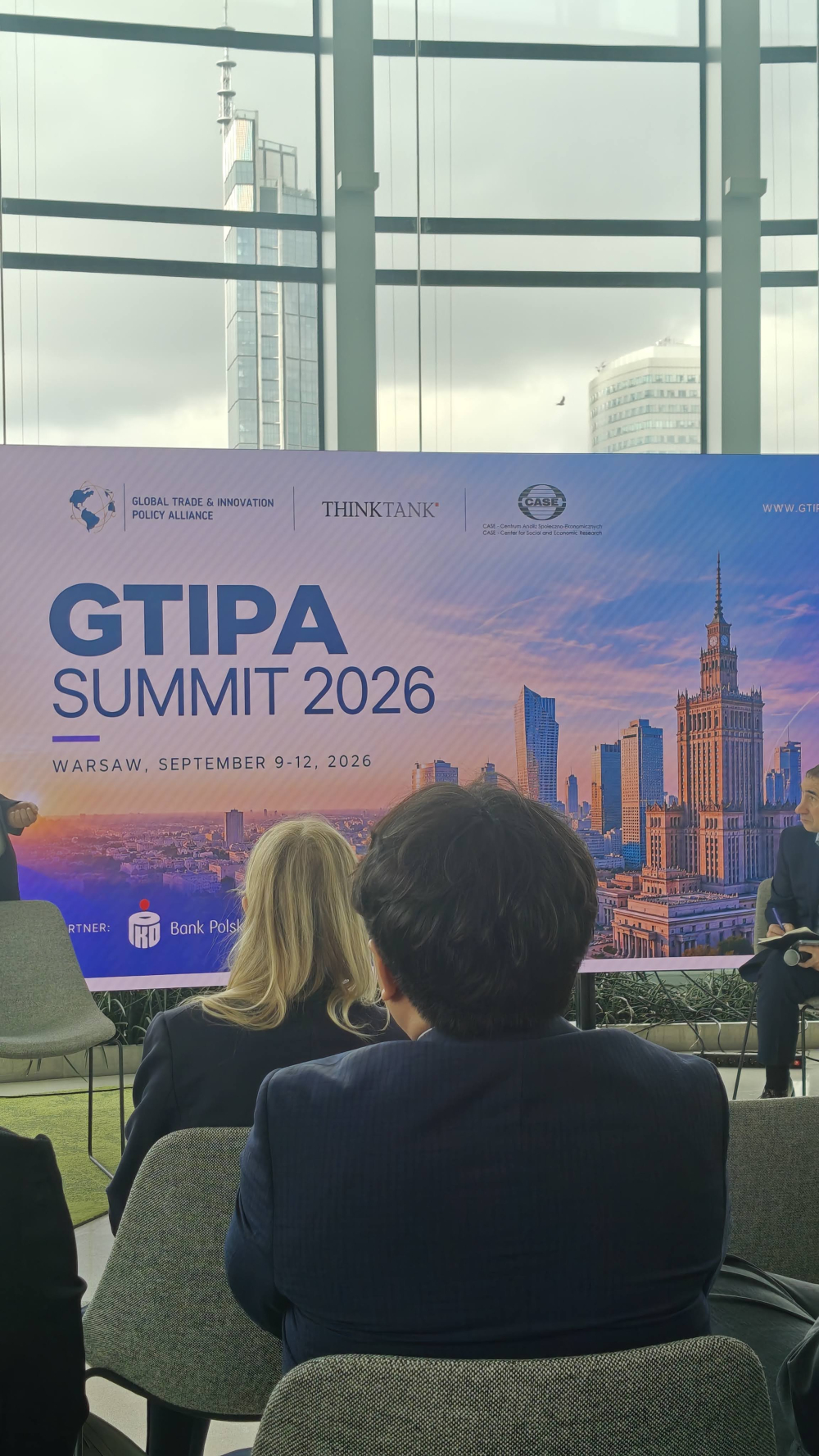
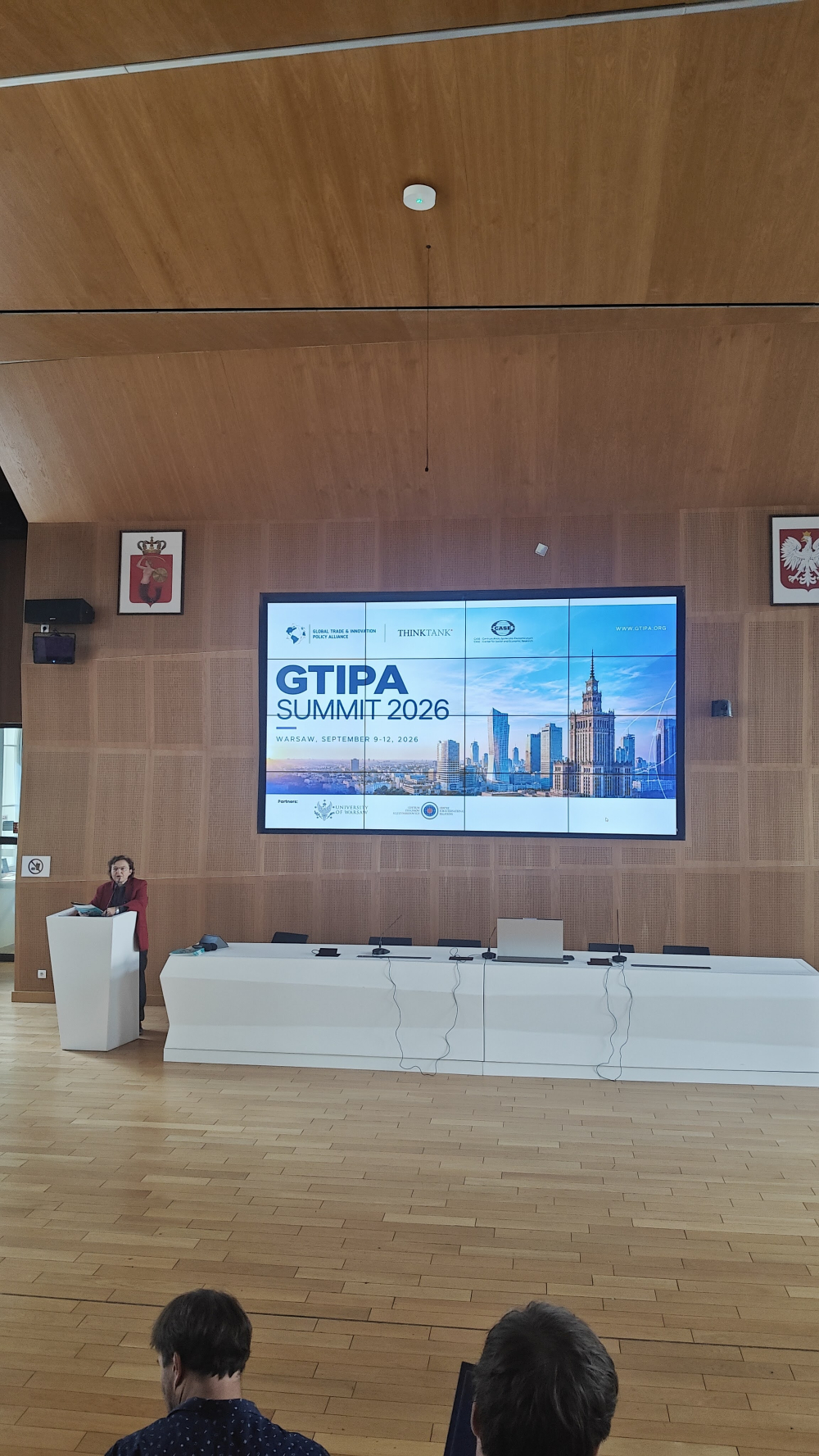
This year, the prestigious Global Trade and Innovation Policy Alliance (GTIPA) Summit came to Warsaw, bringing together top experts, policymakers, and industry leaders from across the globe. Among the influential voices shaping international innovation policy at the September 11 event were scholars from the Mathias Corvinus Collegium (MCC), who played a pivotal role in the summit's marquee research release and high-level policy discussions.
The GTIPA is a global network of think tanks dedicated to advancing policy solutions that support trade liberalization and innovation-driven growth. At the University of Warsaw’s Main Campus, the focus was squarely on the challenges and opportunities surrounding artificial intelligence, advanced manufacturing, and global competitiveness.
Driving the Research: MCC’s Role in the Innovation Index
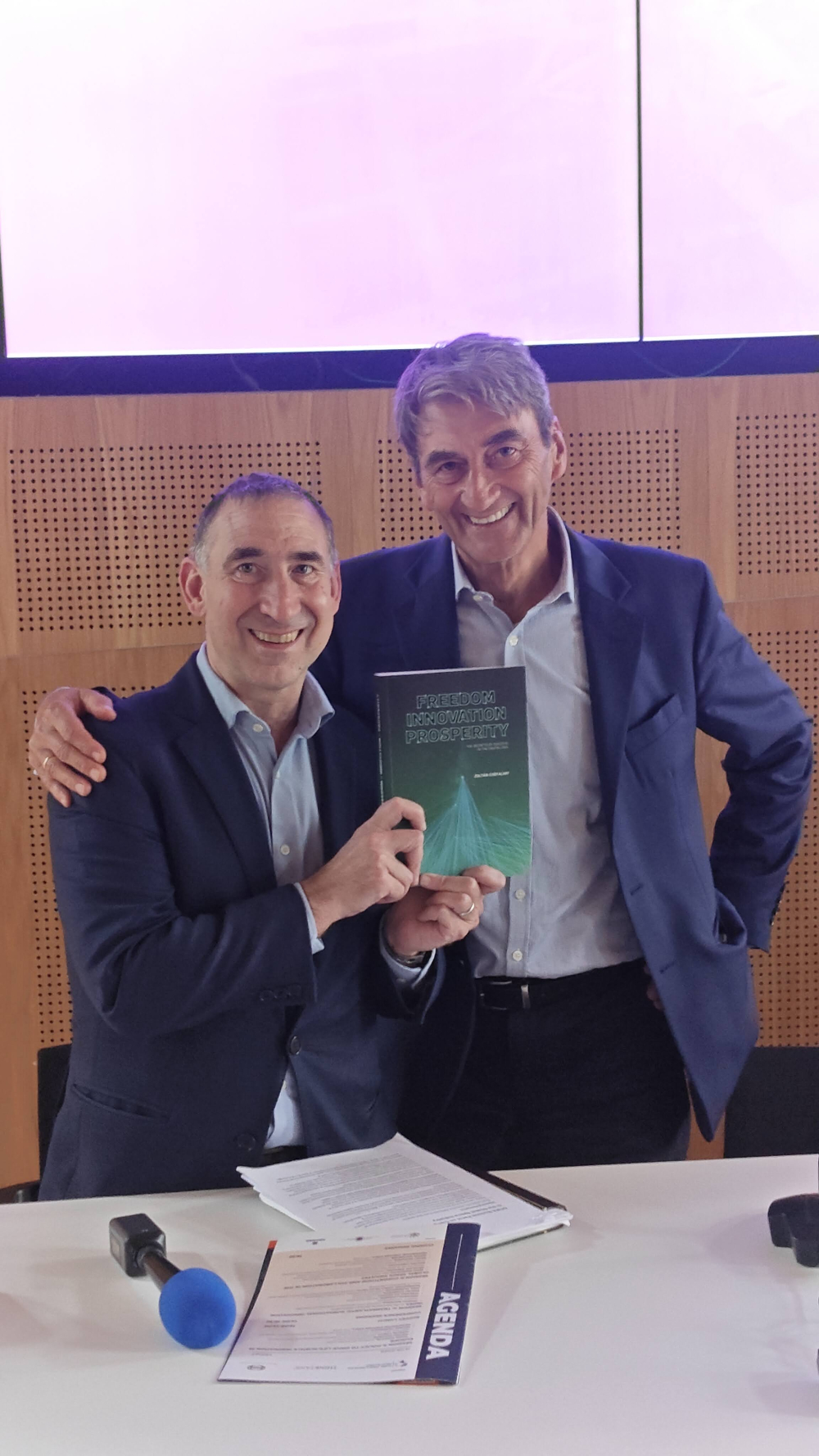
A central highlight of the conference was the unveiling of the "Transatlantic Subnational Innovation Competitiveness Index 3.0." MCC was fundamentally involved in the creation of this comprehensive report, which maps the innovation capacity of 213 subnational regions across 13 countries.
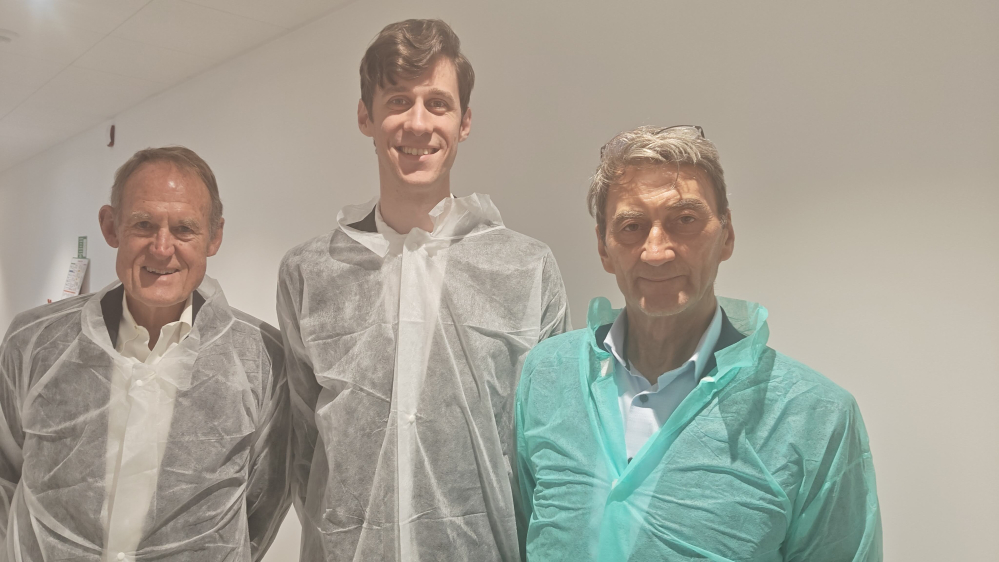
Professor Zoltán Cséfalvay from the Center for Next Technological Futures at MCC, alongside MCC research student Marcell Kovács, were key contributors to the research and preparation of the Index. Their collaborative effort ensures that Hungarian academic perspectives are integrated into top-tier global policy frameworks. Both scholars traveled to Warsaw to represent MCC, bringing their insights directly to the international stage.
The Index co-developed by the MCC team provides a crucial benchmark for the modern economy. It evaluates regions based on 14 indicators spanning three categories: Innovation Capacity (55%), Knowledge Economy (33%), and Globalization (12%). For the first time, the report also tracked a 14th indicator measuring AI preparedness through regional AI policy plans.
The findings co-authored by the MCC researchers reveal significant subnational divides:
- The United States dominates the top tier, boasting 7 of the top 10 regions, led by states like Massachusetts and California.
- European capital regions—such as Warsaw, Vienna, Athens, and Sofia—frequently emerge as the best-performing areas in their respective countries due to high concentrations of knowledge economy workers and foreign investment.
- Certain Western Balkan regions perform well due to skilled labor and foreign direct investment, though rural regions in those countries lag behind.
Leading the Dialogue on the Global Space Industry
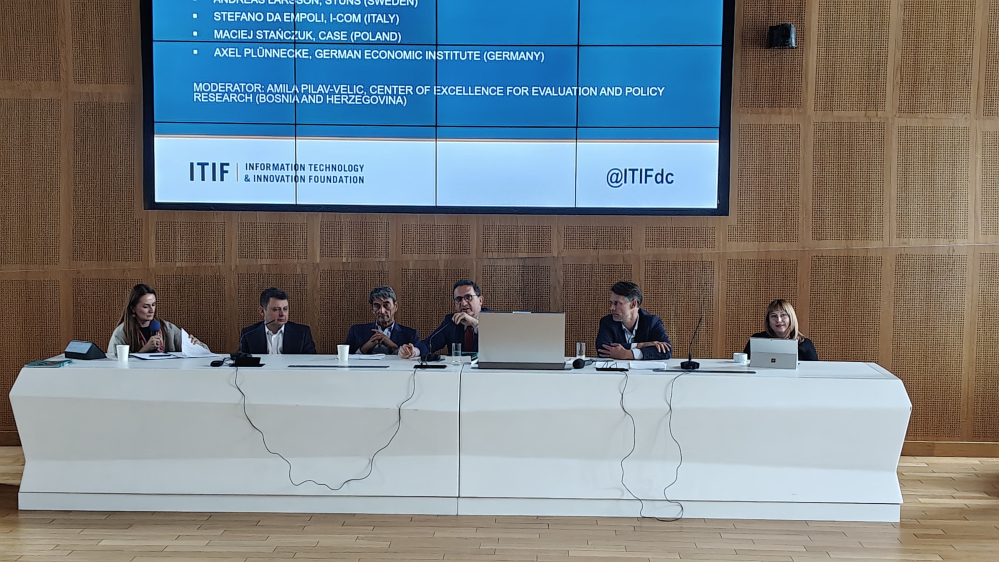
Beyond the presentation of the Index, MCC’s expertise was further highlighted during the summit's high-level panel discussions. Professor Cséfalvay took the stage as a featured speaker in Session 5: Competition and Collaboration in the Global Space Industry.
Moderated by Stephen Ezell from the Information Technology and Innovation Foundation (ITIF, USA), the panel placed the MCC professor alongside a prestigious lineup of international experts, including representatives from the Bay Area Council Economic Institute (USA), the Polish Ministry of Economic Development and Technology, Shiv Nadar University (India), and the Nomura Research Institute (Japan).
Through rigorous research contributions like the Innovation Index and active participation in vital sectors like the global space industry, MCC's prominent presence at the Warsaw summit underscores the institution's growing influence in fostering open, rules-based economic systems and strengthening global innovation.